Optimising Lift Performance: Understanding Lifecycle Cost Implications
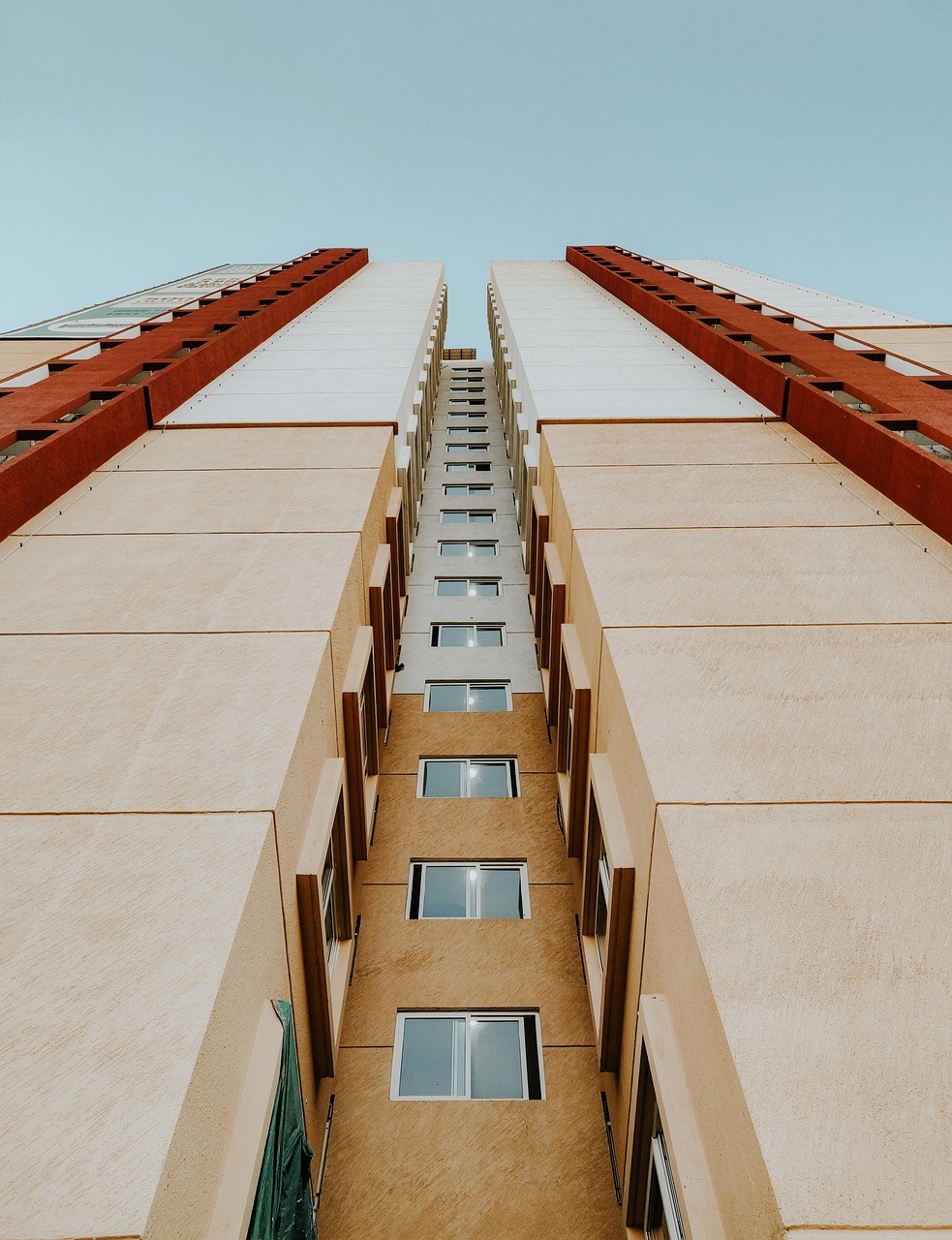
The Australian building sector is witnessing a growing emphasis on long-term asset value and operational efficiency, particularly concerning vertical transport systems. With escalating energy costs and increasing scrutiny on environmental performance, building professionals are moving beyond initial capital expenditure to evaluate the total cost of ownership for lifts. This shift is driven by a combination of tighter regulatory frameworks around energy efficiency, such as changes in the National Construction Code, and an evolving market demand from tenants and occupants who prioritize sustainable and reliable building infrastructure. For developers and building managers, this means that specifying or maintaining lift systems now requires a more comprehensive financial and environmental analysis over the asset's entire lifespan. Understanding the implications of these trends is crucial for making informed decisions that not only comply with current standards but also future-proof investments and enhance property appeal. Our insights help you navigate these complexities, ensuring your vertical transport solutions contribute positively to your building's long-term viability and operational performance.
Industry Notes
Lifecycle cost optimization for lift systems involves a holistic assessment of all costs incurred from installation through to eventual replacement or major modernization. It extends beyond the initial purchase price to include energy consumption, routine maintenance, spare parts, repair costs, potential downtime losses, and the eventual capital outlay for modernization or replacement. A key aspect is understanding that the cheapest upfront option often leads to higher operational costs over time due to lower energy efficiency, less durable components, or a lack of readily available spare parts. Conversely, investing in higher quality, more energy-efficient, and intelligently designed systems can significantly reduce ongoing expenses. Considerations include specifying gearless machines over geared alternatives for efficiency, selecting components with longer expected lifespans, and ensuring access to comprehensive, timely maintenance services. Proactive planning for major component replacements and understanding obsolescence curves are also critical to managing these costs effectively, preventing unexpected major expenditures and ensuring continuous, reliable operation.
Tips of the Week
1. When evaluating lift proposals, request detailed projections for energy consumption and routine maintenance costs over a 10-15 year period, not just the initial installation price.
2. Incorporate specific energy performance clauses into your lift specifications, encouraging suppliers to offer solutions that meet or exceed current efficiency benchmarks like regenerative drives.
3. Regularly review your existing lift maintenance contracts to ensure they align with asset age and usage patterns, and that they include proactive measures to extend component life and prevent premature failures.
4. Establish a long-term capital expenditure plan for your lift portfolio, forecasting modernization or replacement needs based on typical lifespans of key components and technological advancements.
Closing Remarks
The industry's increasing focus on lifecycle costs and operational efficiency for vertical transport systems presents both challenges and opportunities for building professionals. By carefully considering long-term expenses alongside initial investment, and by implementing proactive strategies for maintenance and modernization, you can significantly enhance your building's performance and value. The practical tips provided aim to assist you in making these critical decisions. We remain committed to sharing expert insights and supporting your efforts to manage your lift systems effectively.